The Celestial Polar Sky
The North Celestial PoleWhen facing south from a viewing location at 38 degrees north in latitude and looking at the zenith, the north celestial pole is 52 degrees behind the viewer. After turning around to face north, the celestial pole (near Polaris) is 38 degrees above the horizon, and the plane of the Milky Way passes close to Polaris. All of the Deep Sky Objects located within 38 degrees from the north celestial pole will be above the horizon all year long and visible during night time hours, although some of them will be too close to the horizon to be easily visible. DSOs located between 38 and 52 degrees from the celestial pole will be visible for half of the year. The image below shows locations of DSOs I have photographed within the 38 degree circle around the north celestial pole.
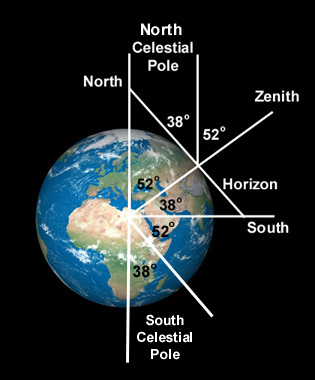 Viewing geometry |
 The north celestial pole (background image courtesy Stellarium) |
To view my images of these DSOs, visit the pages for each of the individual seasons. You can see how the Milky Way and stars rotate around the north Celestial Pole from season to season. Ursa Major (Big Dipper) is within the 38 degree circle, and notice that the end of the bucket always points toward Polaris. |
 The Summer Sky 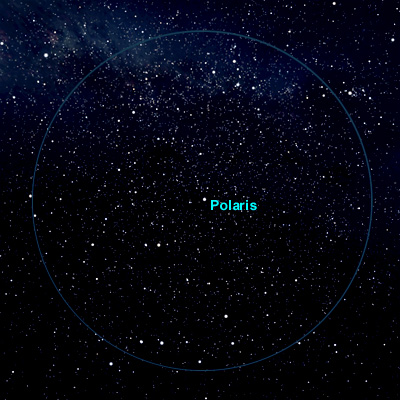 The Autumn Sky  The Winter Sky 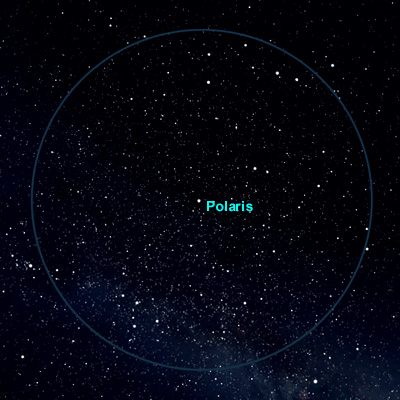 The Spring Sky |
The South Celestial PoleFor an observer at 38 degrees north in latitude, all of the Deep Sky Objects located within 38 degrees from the south celestial pole will never be visible because they will always be below the horizon. The image below shows the Milky Way and major features around the south celestial pole, as well as the 38 degree circle around the pole.
Viewing geometry |
 The south celestial pole (background image courtesy Stellarium) |
Click on thumbnails for larger images.
The Large and Small Magellanic Clouds The Large and Small Magellanic Clouds (LMC and SMC) are irregular dwarf galaxies visible to the naked eye in the southern celestial hemisphere. These satellite galaxies are members of the Local Group and orbit our own Milky Way Galaxy at distances of 163,000 and 206,000 light years from Earth, respectively. Only the Canis Major Dwarf Galaxy (25,000 light-years away) and the Sagittarius Dwarf Spheroidal Galaxy (70,000 light-years away) are galaxies that are closer to us. The larger LMC is currently pulling stars and gas away from its smaller SMC companion. |
 Large Magellanic Cloud 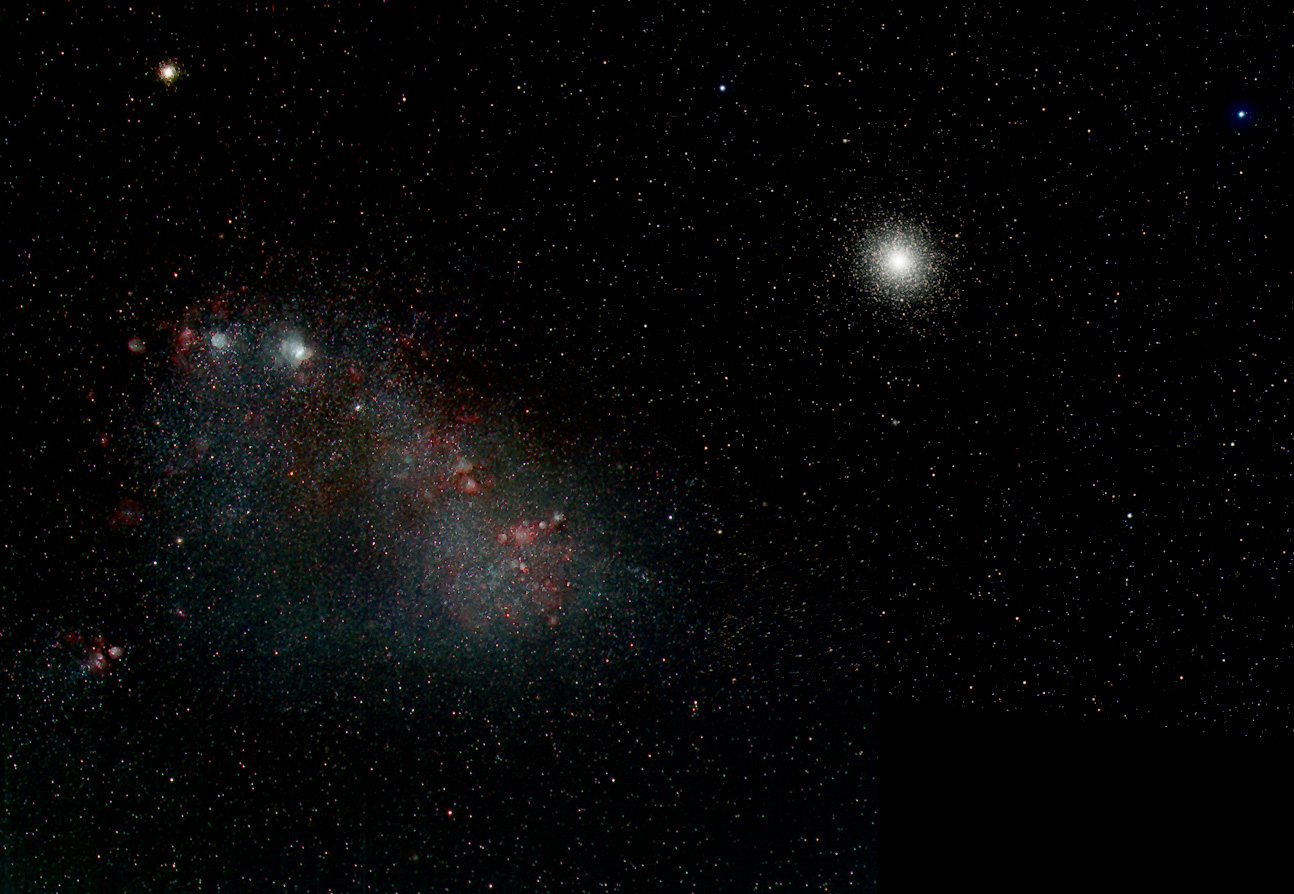 Small Magellanic Cloud & NGC104 |
The eta Carina Nebula I was in Maui, Hawaii in February 1987, and prior to my trip, I computed positions of southern hemisphere DSOs that I might be able to see from its 20.8 degrees northern latitude. The large eta Carina emission nebula and the massive omega Centauri globular could be seen just above the horizon between 2:00 and 4:00 in the morning, along with both the Southern Cross and the False Cross. The omega Centauri globular cluster contains about 10 million stars. The eta Carina nebula is located within the 38 degree circle from the SCP, so I could never see it from 38 degrees north latitude, and although the omega Centauri globular cluster was outside of the circle, it never was more that 4 degrees above the horizon from 38 degrees north latitude.
 My DSO targets (background image courtesy Stellarium) |
Click on thumbnails for larger images.
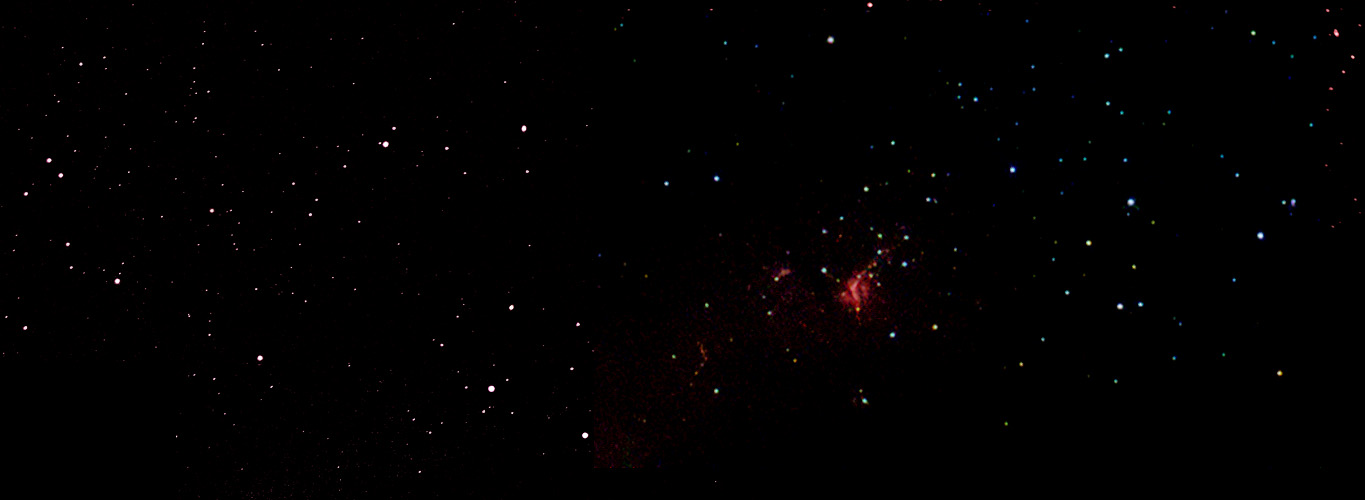 Eta Carina, omega Centauri, Southern Cross, and False Cross |
 Eta Carina, omega Centauri, Southern Cross, and False Cross |
The Tarantula Nebula Ever since I started doing astrophotography, photographing the massive Tarantula Nebula in the Large Magallanic Cloud has been on my "bucket" list. The Tarantula Nebula is so massive and bright, that it is estimated that if it were as close to us as the Orion Nebula is to us, the light from the Taranatula Nebula would cast shadows on the Earth.
|
 The Large Magellanic Cloud (left; background image courtesy Stellarium) The Tarantula Nebula (right; captured remotely using iTelescope equipment; NSW, Australia) |
Tarantula Nebula
 Full color image 30 Doradus 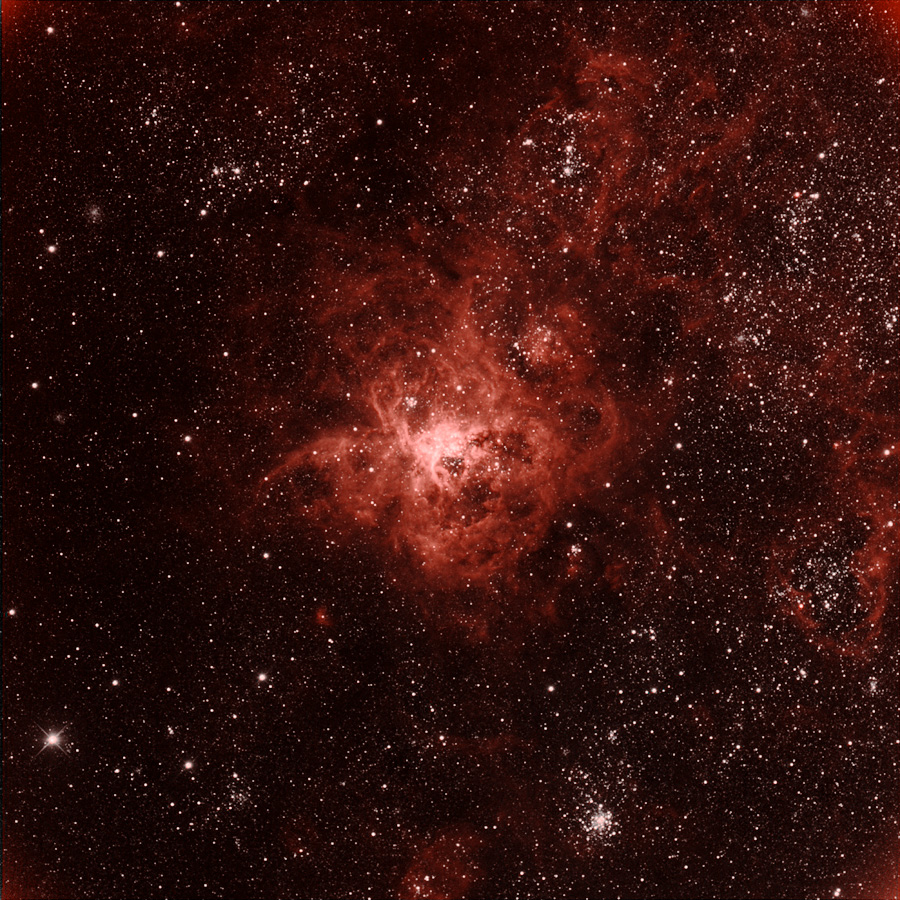 Hydrogen-alpha image 30 Doradus 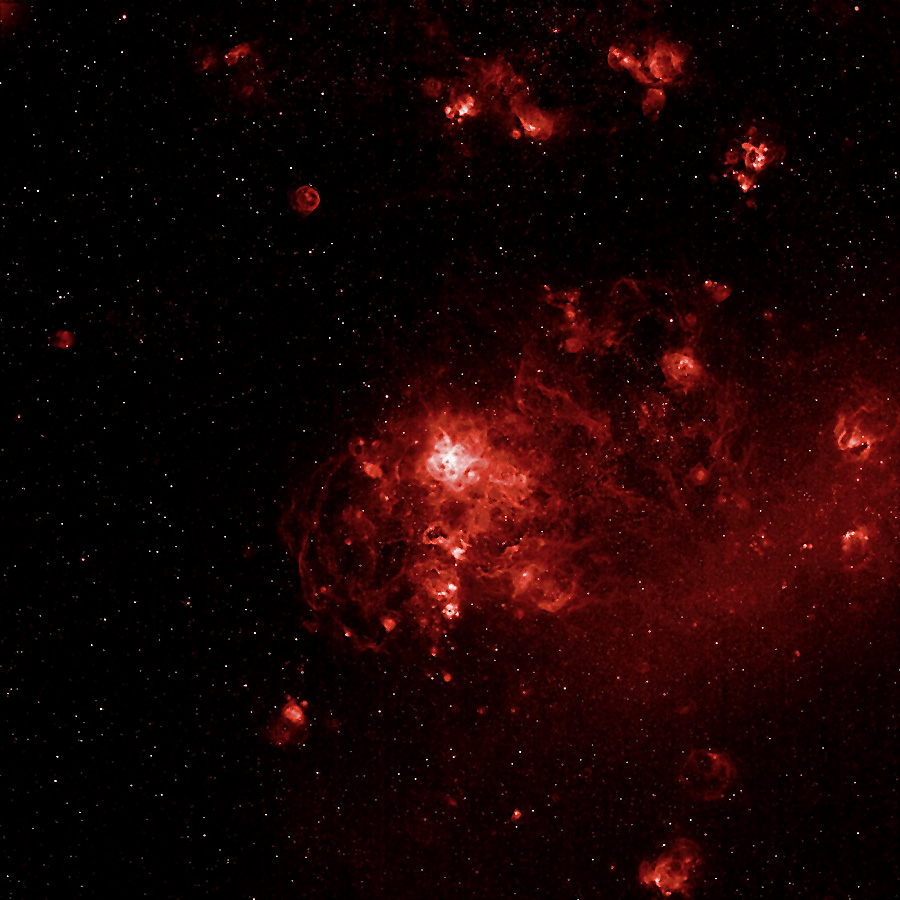 Hydrogen-alpha image 30 Doradus 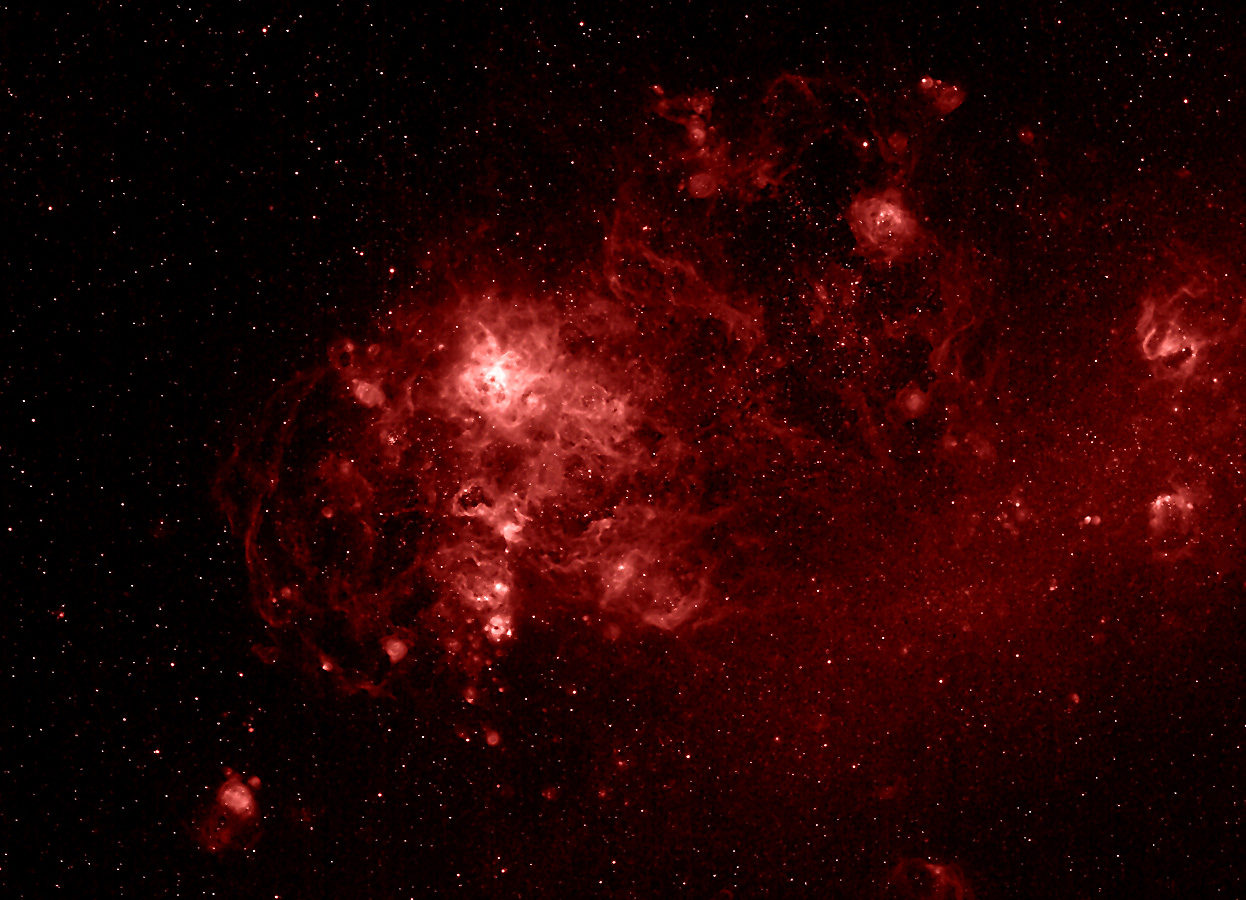 Hydrogen-alpha image 30 Doradus |
Southern Hemisphere Deep Sky Objects
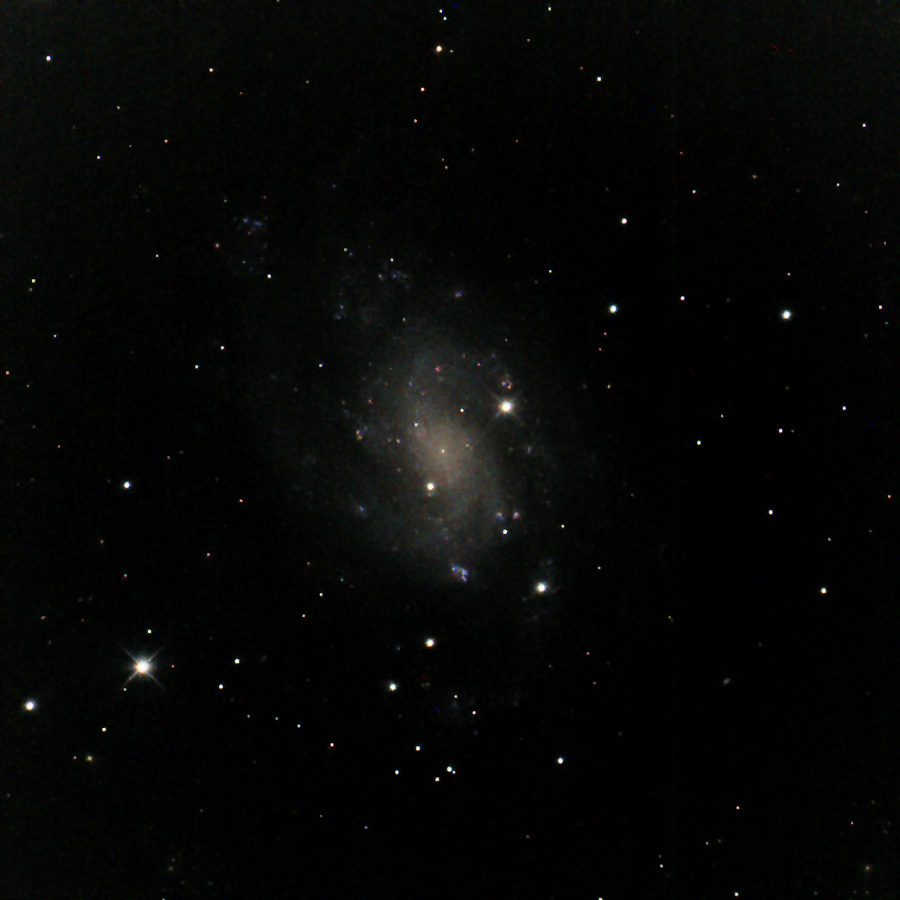 Sculptor Pinwheel Galaxy (NGC 300)  Great Barred Spiral Galaxy (NGC 1365)  Cartwheel Galaxies (VV 784) |
 47 Tucanae Globular Cluster (NGC 104) 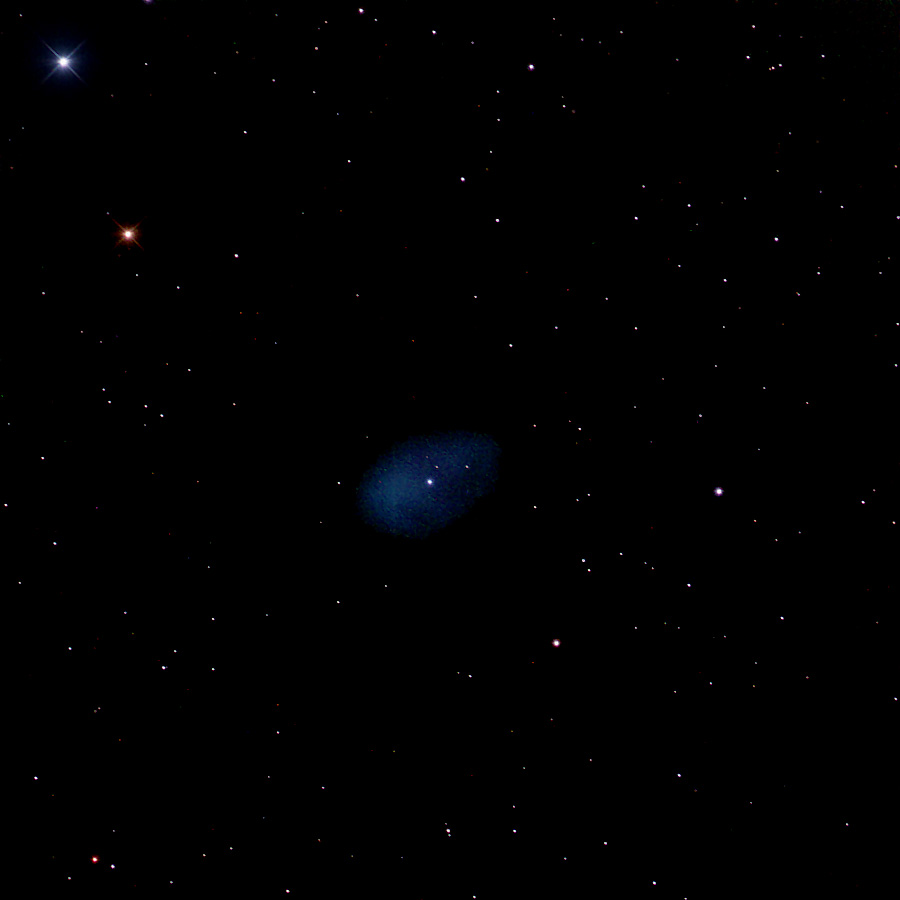 Robin's Egg Planetary Nebula (NGC 1360) |
Return to my Astrophotography home page